XR Rolling Research
RITE | USABILITY TESTING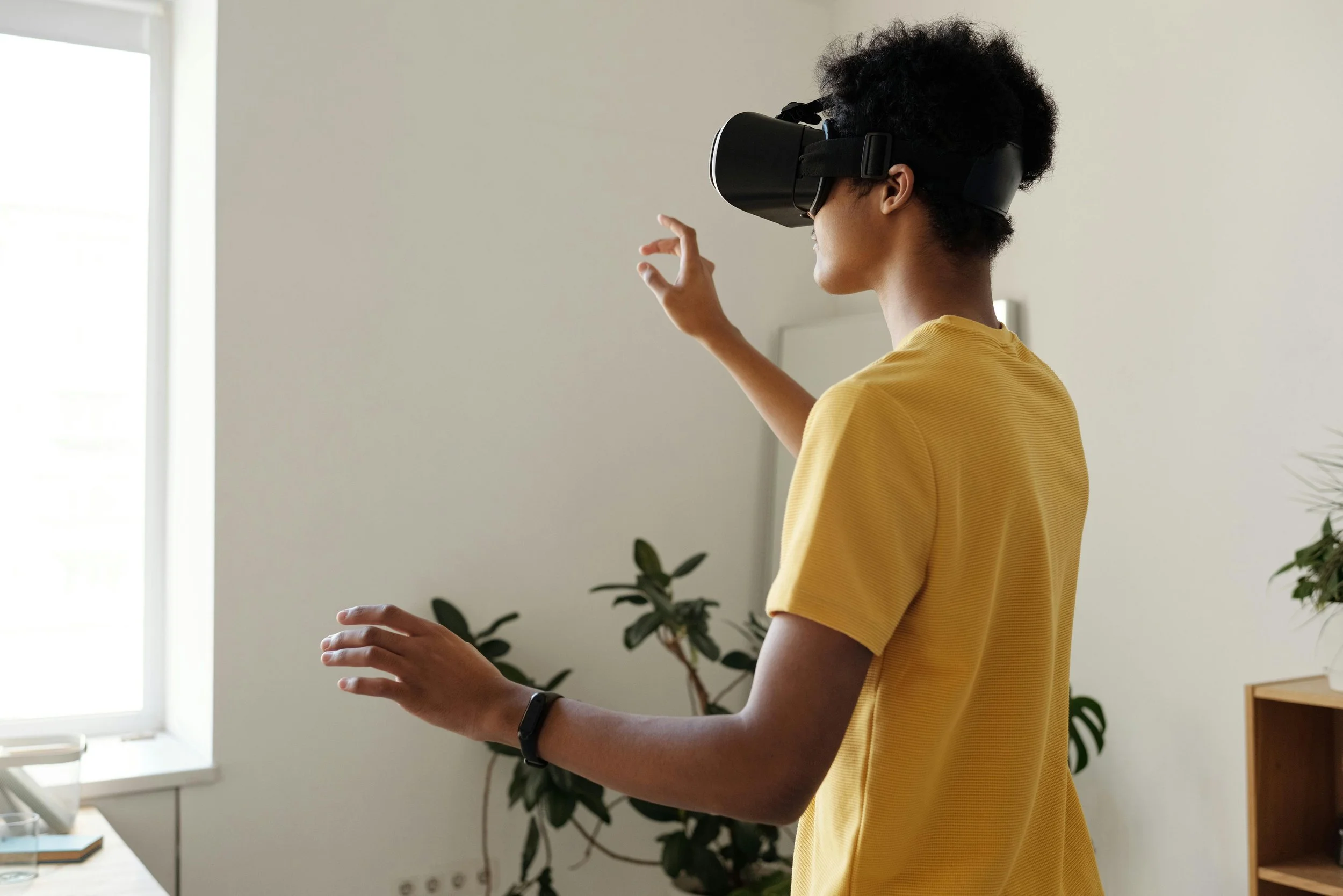
The research question: A Fortune 500 technology company was developing cutting-edge features within their extended reality (XR) device, and wanted UX feedback while developing new interactions within the device’s operating system.
The approach: I led 12 rounds of iterative rolling research completed over the course of one year. Rounds ran on a 2- or 3-week schedule. Each round:
I collaborated with the client to develop a unique moderation guide. The guides were co-developed with the clients in order to incorporate important measures and KPIs to understand user (dis)comfort, ease of use, and experience satisfaction. Each moderation guide included both quantitative and qualitative items to capture important insights while also benchmarking across rounds. I also designed experimental A/B testing of different features, in order to counterbalance and compare competing prototypes.
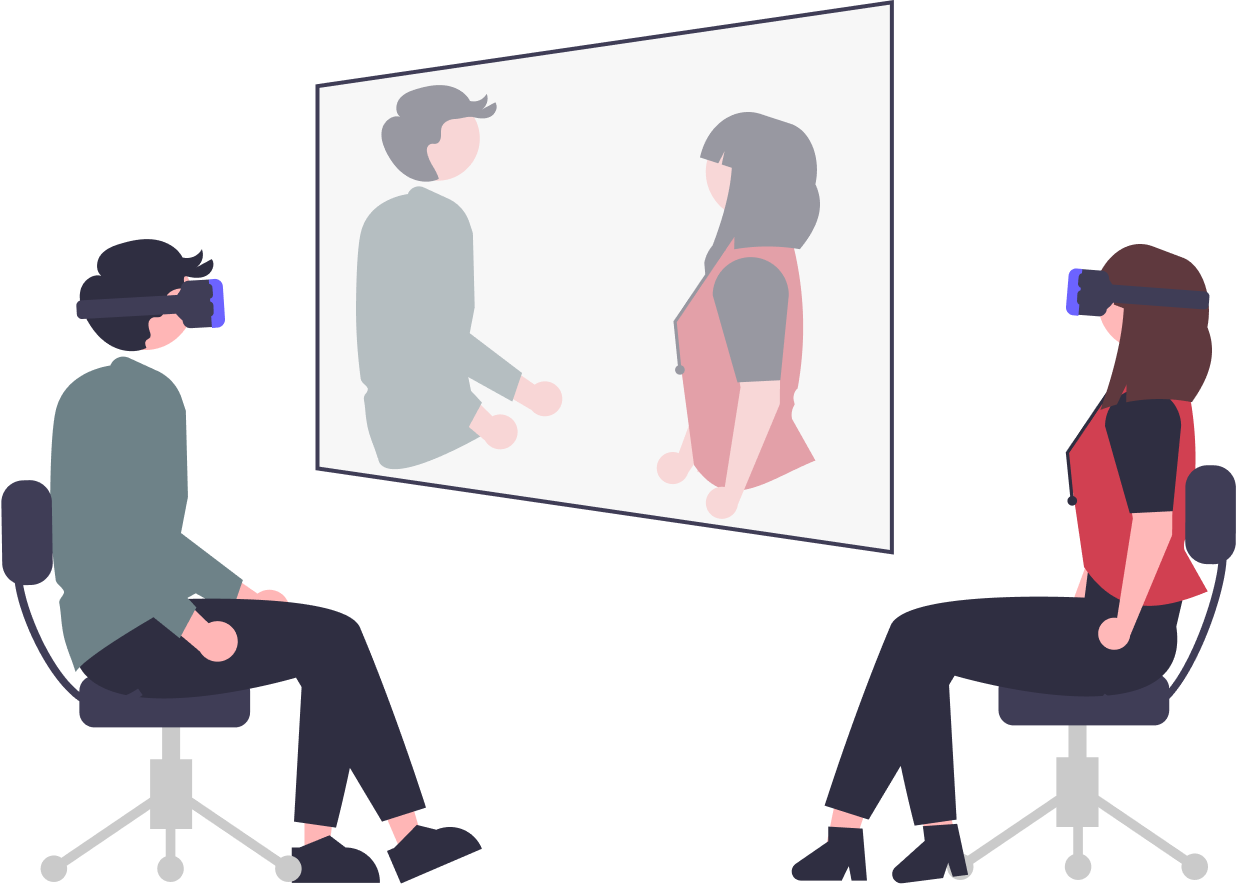
I moderated all sessions, including onboarding naive XR users into the immersive headset and coaching participants through new experiences while managing live streaming, live casting, and live feedback from observers as the lone moderator. For some rounds, I joined users in an XR headset and moderated within virtual space. For others, I managed the session to allow for live feedback while users were immersed in an XR experience, and debriefed with participants after.
I also ran accessible sessions to gather feedback from users with low vision or inner-ear disorders to ensure the device features met accessibility standards.
Once data collection was complete, quite turnaround was key: I wrote a mixed quantitative and qualitative report in 3 days to quickly share new findings. It was essential for clients to not just read, but to see feedback, so I included screenshots and clips of key moments, bugs, and unique XR interactions. Finally, reports included strategic recommendations to steer super-speed product development.
The outcome: Findings, including quantitative and qualitative data, were presented to UXRs, product managers, and engineers. This data was used to make critical decisions for firmware settings during the research program, and the new features launched to overwhelmingly positive reviews. The rolling research program, which started with my research, was renewed for another three years to further develop a trusted partnership and provide consistent revenue for the company.